A client I have worked with for many years was about to get married. As the wedding day came closer, so did the emotions: excitement, and a good deal of nervousness. He also felt a growing pressure for everything to be perfect. He wanted to be present, composed, and able to enjoy the day without anything getting in the way.
While preparing, he chose a song with deep personal meaning to be part of the ceremony. He hadn’t expected how strongly it would affect him. Every time he listened, he burst into tears. In one of our sessions he told me, “I’ve been playing this song over and over to practice not crying, but I’m still fighting my emotions. I feel like a boxer training for a fight. I’m worried I’ll cry like a baby at the wedding, so I keep trying to fight it.”
I understood exactly what was happening. The more he tried to control the emotion, the stronger it became. He was exposing himself to the song again and again, but instead of allowing the feelings to come, he was using it as a way to train himself to suppress them.
The pressure cooker
I described it to him as a pressure cooker. You keep the lid on and keep telling yourself, Don’t cry. Don’t lose control. Hold it together. But pressure doesn’t disappear just because you refuse to feel it. Eventually, something has to give.
I see this constantly in my work. We believe that not feeling something means we are in control of it, but the opposite is often true. We say things like I shouldn’t feel this way, I need to stay strong, or I don’t have time to deal with this. Many of us become very skilled at pushing emotions away. We stay busy, make jokes, intellectualize, or convince ourselves it isn’t a big deal.
But the emotion hasn’t gone anywhere. It has just gone deeper. Over time it can attach itself to other situations, so that a small comment triggers an enormous reaction, or an unanswered message leaves us feeling rejected or unworthy. We overthink, withdraw, people-please, or become defensive, and we don’t understand why. The way out begins with becoming aware of what is happening inside us and being willing to feel it.
Feeling doesn’t mean losing control
This was exactly what my client feared. He believed that if he let himself cry, he might not be able to stop. So I suggested something very different. Instead of fighting the emotion, I asked him to surrender to it. I asked him to find a safe, private space, play the song again, and allow whatever wanted to come up, with no fighting the tears and no telling himself he shouldn’t feel this way.
“It might feel scary,” I told him, “because you’re afraid of being taken over. But it will probably be much easier than you think. Once you release what has been held inside, the pressure will be gone.”
That is exactly what happened. He listened, he cried, and he let himself feel everything that was there. The next time he heard the song, he could listen without feeling that his emotions would take over. Because he was no longer fighting the feeling, he was no longer afraid of it. Allowing yourself to feel is what gives you back your sense of choice.
Suppression versus regulation
There is a real difference between suppressing an emotion and regulating it. Suppression says, “I cannot feel this. I need to stop it.” Regulation says, “I am feeling this. I can let it move through me. I don’t have to act on it, and I can stay with myself while it happens.”
The second approach requires trust: trust that we can feel sadness without drowning in it, anger without becoming destructive, and fear without letting it make every decision for us. This can be especially hard for men who grew up hearing be strong, don’t cry, keep it together. After years of suppression, simply feeling can be deeply uncomfortable at first.
Many of us carry emotions for years: grief we never allowed ourselves to feel, anger we weren’t allowed to express, fear we learned to hide, or shame we absorbed from others. Letting go of this weight doesn’t mean saying that what happened was okay. It means you are no longer willing to let the past keep controlling your present. When you acknowledge the feelings that need to be felt, you can finally release them, instead of holding onto them and being controlled by them.
The wedding day
On the morning of his wedding, my client was nervous. Instead of pushing those feelings away and pretending to be calm, he remembered what he had learned. He took some time for himself, found a quiet space, and let whatever was there come up. He cried, and he told me he cried a lot.
Afterwards, he felt so much better. The pressure was gone. He didn’t spend the day worrying about being overwhelmed or monitoring himself to hold everything together, and he was free to be fully present for one of the most important days of his life.
When I asked him later what he took away from the experience, his answer was simple: “If you feel like you have to cry, cry. Let it out.”
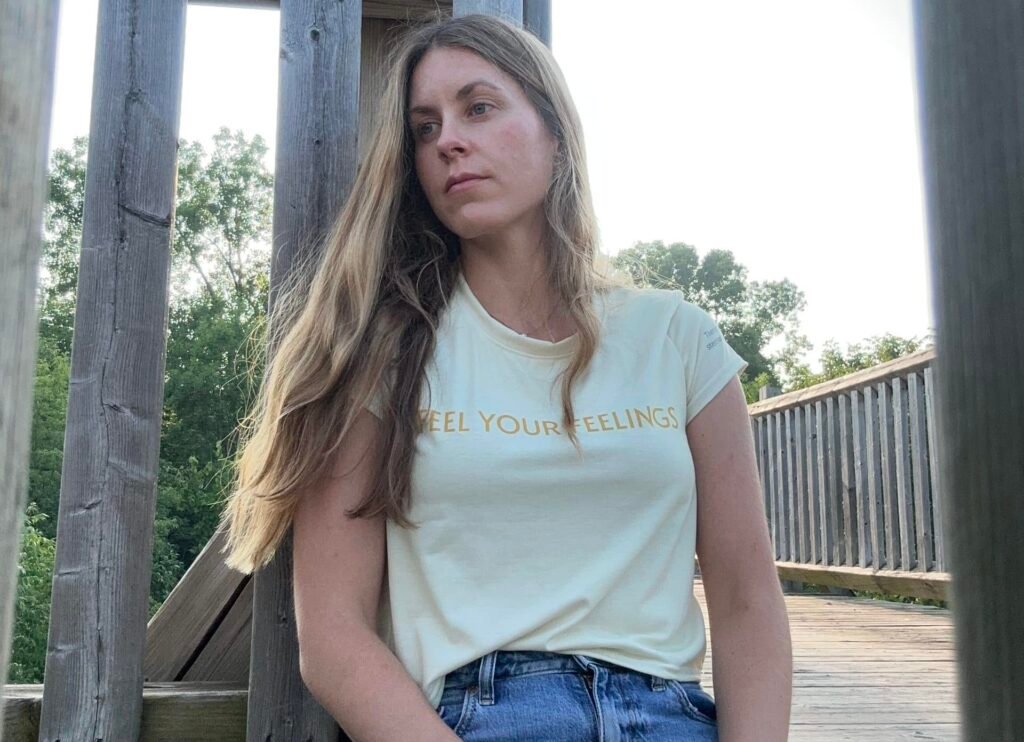
If there is something you have been holding back, consider this your invitation to stop fighting it and let yourself feel.

If this resonates and you'd like support applying these ideas to your own journey, I work one-on-one with clients on exactly these transitions. Explore coaching options →